







• 5 min read
Sign up to receive an email summary of new articles posted to AMG Research & Insights.
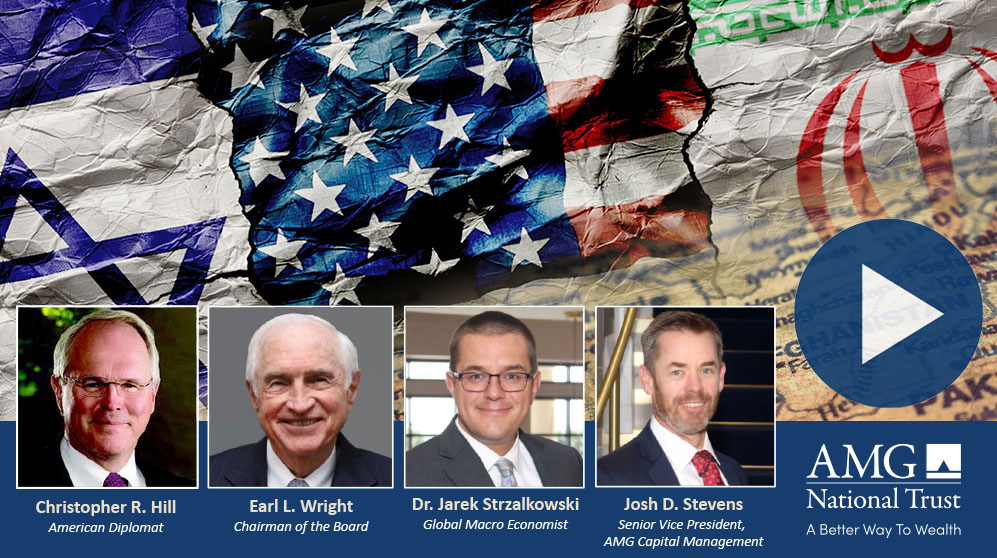
The conflict in Iran has impacted other nations in the Middle East and sparked a global oil shock, as the flow of tankers through the Strait of Hormuz is effectively shut down.
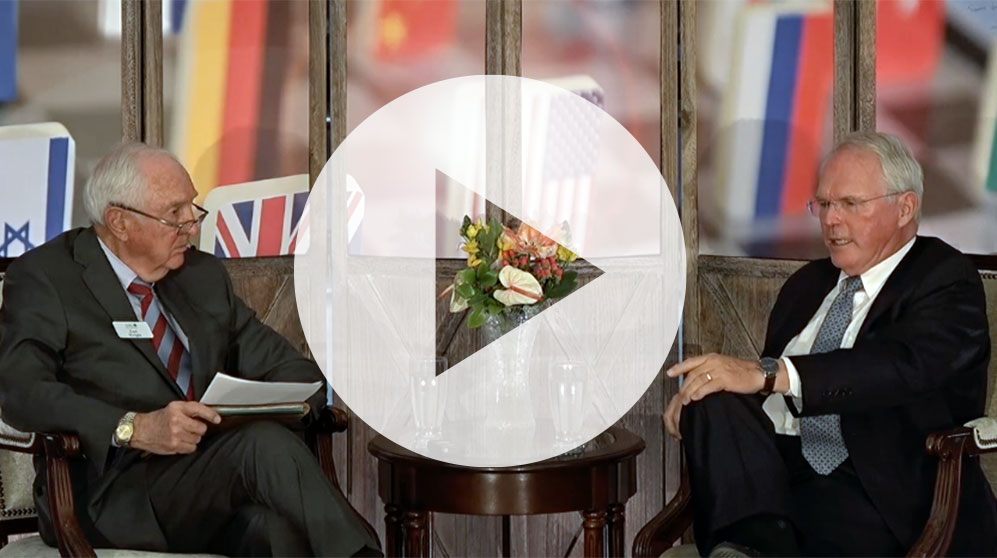
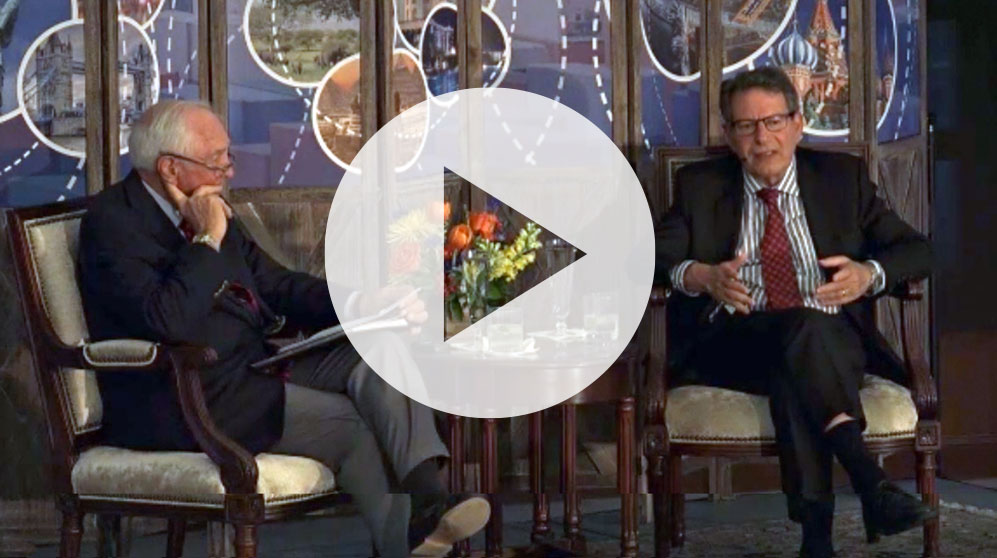
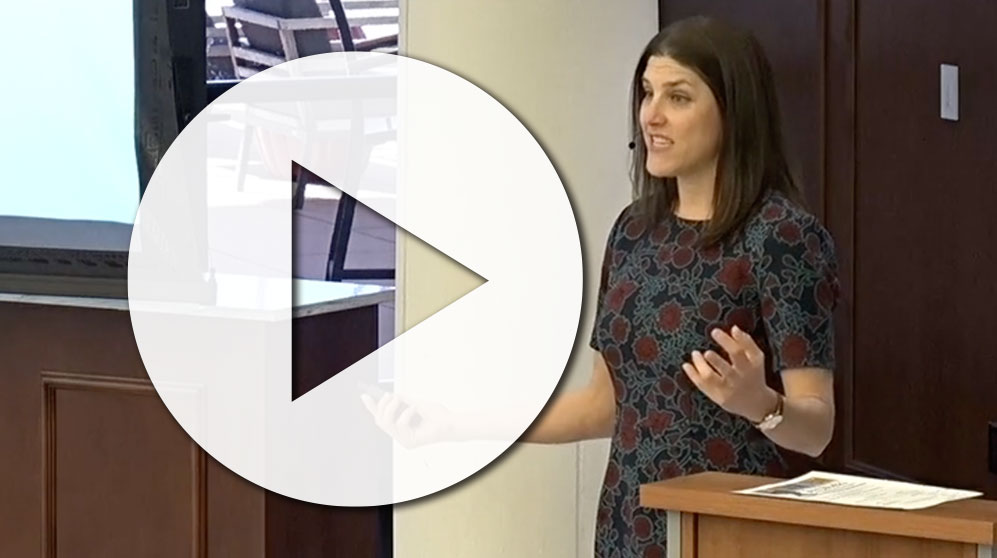
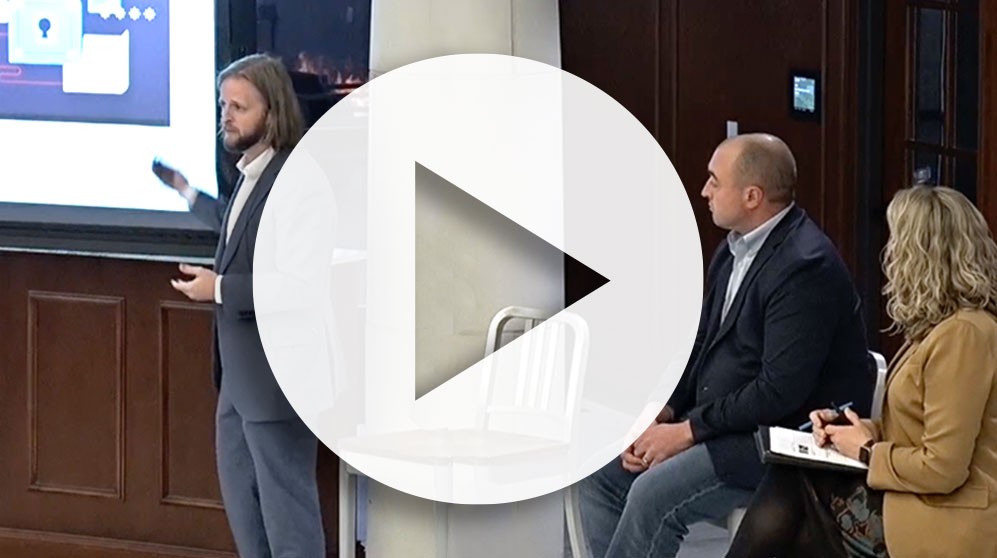
To update clients about these recent events, AMG held a webinar titled “The Conflict in Iran” with Ambassador Christopher Hill’s unique insight into the region and potential outcomes. His views have been shaped by decades of service in ambassadorial posts across the world, including as Ambassador to Iraq from 2009 to 2010. The event was moderated by Chairman Earl Wright with additional analysis from Dr. Jarek Strzalkowski, Global Macro Economist; and Josh Stevens, Senior Vice President, AMG Capital Management.
The ambassador began by laying out some of the complexities of Iran: the nation is primarily Shia, while many of the neighboring states are Sunni Arab. It is controlled by a radical religious element that is unfriendly toward other Arabs, Israel, and the United States. In addition, there are internal issues, such as the economy and that many of its citizens have grown tired of the controlling “mullah-tocracy.”
Iran also is “trying to reach a sort of domination in the Muslim world by showing they’re the toughest guys against Israel,” Ambassador Hill added.
Mr. Wright asked if there was a difference between what the Israelis and the United States hope to accomplish in the conflict?
“I think the Israelis had a very serious idea that they could completely destroy the current situation, and whatever emerges would almost by definition be better,” Ambassador Hill responded.
“The United States likely looked at how Iran’s nuclear program and Iranian allies in the region, such as Hezbollah and Hamas, have been severely weakened,” the ambassador said, and perhaps there “was a sense that … If we’re going to have it out with the Iranians, this might be the historic moment to do it.”
There’s a concern, though, that policy may be outpacing knowledge about what’s actually going on inside Iran, with the ambassador also noting the degree to which Iran is willing to hold the world’s key energy route hostage.
A key question now is that “We need to show some wisdom through this and understand when … we should call this off and claim victory,” Ambassador Hill said.
The ambassador said U.S. forces have achieved many of the objectives but cautioned that the duty now is to avoid inviting more uncertainty. “You have to be very careful with this notion of regime change because when you look at the batting average of our efforts to change regimes, it’s pretty low.”
“We need to understand that we’re not going to get all we want,” the ambassador concluded.
He agreed with Mr. Wright’s assessment that the world may just have to continue to deal with a still belligerent Iran while taking solace in the reality that Iran’s military capabilities have been severely weakened, people inside the country are unhappy “with how the mullahs have handled things,” and Tehran’s relations with other Persian Gulf states have been damaged.
The shutdown of oil traffic through the Strait of Hormuz remains a threat to global economies. Asked by Mr. Wright whether the shutdown will force a change to AMG’s economic outlook, Dr. Strzalkowski’s response was, “It depends.”
In less than two weeks of war, Dr. Strzalkowski said, oil and gasoline prices have already risen, and inflation numbers for March will likely be elevated and “fairly ugly.”
If the Strait reopens soon, he continued, and oil prices return to reasonable levels, the outcome will be some bumps, some turbulence, but probably no change to the trajectory of the economy.
A months-long closure, though, would lead not only to higher oil prices but also spill over to other sectors and inhibit production of some goods. “This might translate into something that looks like a recession,” Dr. Strzalkowski said.
“Weeks versus months will also determine the amount of volatility in financial markets,” Mr. Stevens said. Markets are already trying to price in the various scenarios, and some volatility is likely inevitable—even if hostilities end soon—because of the time required to restart pumping oil and getting it to refineries.
“The chaos of a far longer conflict—up to six months, for example—would certainly create far larger issues for the economy, financial markets, and regional dynamics,” Mr. Stevens said. However, it could benefit Russia, whose oil industry has been hobbled by sanctions over the Ukraine war but which could potentially find some willing buyers in a market starved for new oil supplies.
Ambassador Hill raised the point that the country facing the biggest economic repercussions is Iran and that it’s very much in their interests—internally and globally—in a post-war environment to quickly export oil again.
“I think they’ll want something that kind of gets their economy moving, and, and I think if there’s maybe one lesson (here) … it’s that people get sick of the weak economy there.”
Not a client? Find out more about AMG’s Personal Financial Management (PFM) or to book a free consultation call 303-486-1475 or email us the best day and time to reach you.
This information is for general information use only. It is not tailored to any specific situation, is not intended to be investment, tax, financial, legal, or other advice and should not be relied on as such. AMG’s opinions are subject to change without notice, and this report may not be updated to reflect changes in opinion. Forecasts, estimates, and certain other information contained herein are based on proprietary research and should not be considered investment advice or a recommendation to buy, sell or hold any particular security, strategy, or investment product.