










• 5 min read
Sign up to receive an email summary of new articles posted to AMG Research & Insights.
The U.S. economy is a study in contrast. Corporate earnings are strong, the S&P 500 has been climbing steadily, and artificial intelligence is reshaping industries and capital markets at an unprecedented pace. At the same time, the Iran conflict has rattled global energy markets, sent oil prices surging, and reignited inflation.
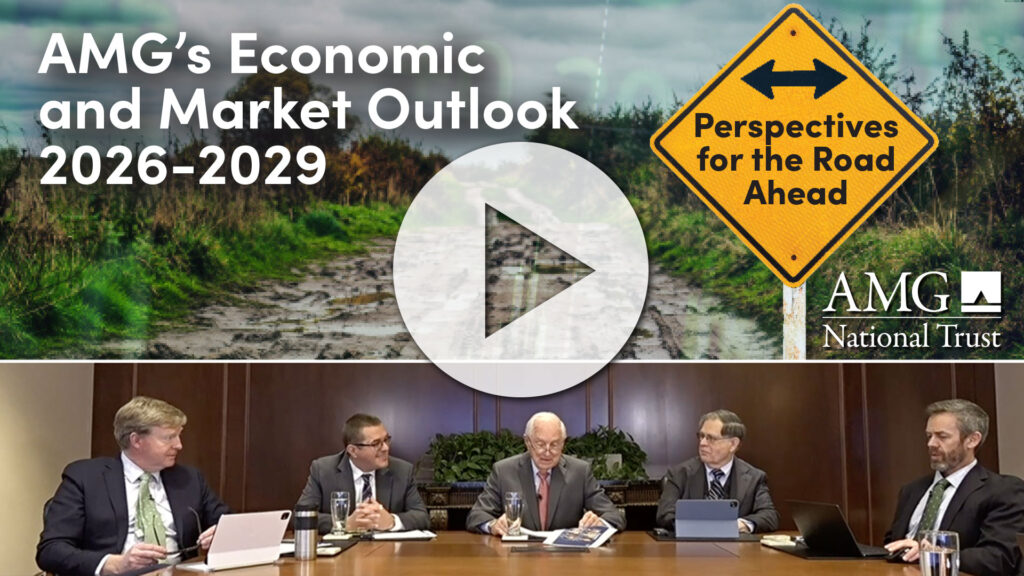
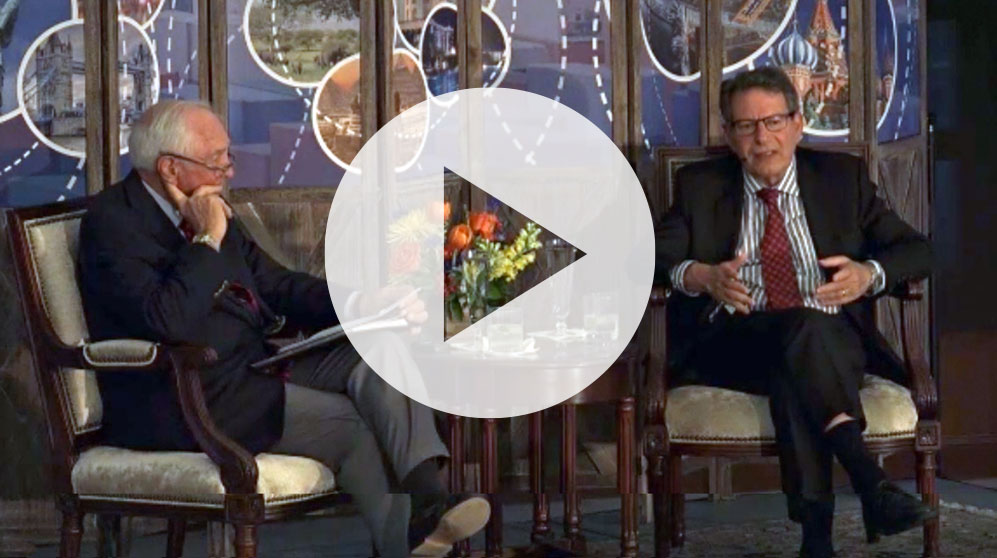
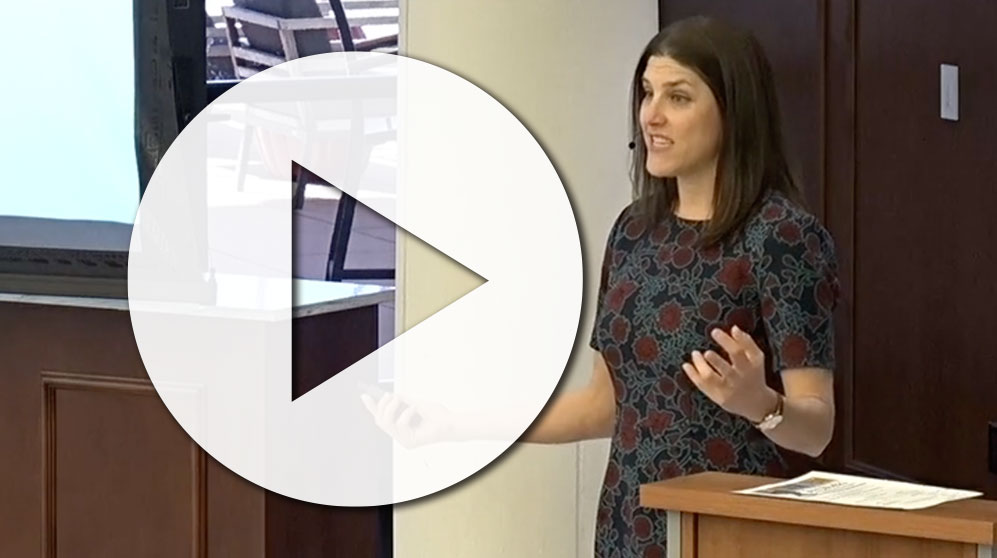
These themes were the focus of AMG National Trust’s recent webinar, Insights on the Economy and Markets, with analysis from Chairman Earl Wright; Dr. Jarek Strzalkowski, Global Macro Economist; Josh Stevens, Senior Vice President, AMG Capital Management; Spencer Anderson, Senior Investment Research Analyst, Investment Group; and Chris Jacoby, Senior Vice President, Private Capital.
Mr. Wright set the stage by highlighting the remarkable resilience of both the U.S. economy and financial markets while also noting that investors should look beyond headline market performance and recognize the growing concentration within major indexes. Understanding what is driving returns—and whether those forces are sustainable—remains an important consideration for long-term investors.
Dr. Jarek Strzalkowski explained how quickly the conflict reshaped the energy landscape.
Oil prices shot from roughly $60 per barrel to over $100 within days of the initial U.S. and Israeli strikes against Iran. Ceasefire negotiations have since brought prices back to around $80—but Dr. Strzalkowski was clear: a return to pre-war levels is unlikely anytime soon. Infrastructure damage in the Persian Gulf will take months to repair, and the durability of any peace agreement remains uncertain.
The ripple effects have been significant. Annual CPI climbed from 2.4% in February to 4.2% in May, with energy costs pulling up food, fertilizer, and transportation prices along the way.
Still, Dr. Strzalkowski characterized AMG’s overall outlook as optimistic. A stable labor market and sustained AI investment are expected to support GDP growth of 2.0% to 2.5% through the second half of 2026 and into 2027. If the ceasefire holds and inflation trends back down, the Federal Reserve (Fed) may find room for a modest rate cut—providing an additional tailwind for the economy.
The resilience of equity markets in the face of all this has been striking, as Mr. Wright noted. The S&P 500 has barely paused, and small-, mid-cap and foreign market stocks have posted double-digit returns year-to-date.
Mr. Stevens, though, pointed to an important divide beneath the surface: artificial intelligence (AI)-related stocks have surged since the ceasefire announcement, while traditional economy/non-AI stocks (for example, housing or health) have been largely flat.
He also flagged several risks: a potential market correction; inflation remains a concern if it catalyzes higher Treasury yields and Fed action; and AI capital expenditure will likely grow more slowly heading into 2027–2028, requiring markets to shift their focus from infrastructure buildout to actual productivity gains.
His view on the path forward is that earnings growth should broaden to include more small-, mid-cap, and foreign companies as the traditional economy re-accelerates. He highlighted diversifying across market segments and pointed to dividend-paying companies—both domestically and internationally—as an area of relative opportunity.
Mr. Anderson walked through a scenario-planning framework built around two key variables: whether the Strait of Hormuz remains open, and whether AI capital expenditure (CapEx) growth accelerates or moderates. AMG’s base case is most closely aligning with decelerating but still-elevated AI spending and a ceasefire with Iran. It anticipates broadening market leadership, with small- and mid-cap stocks, foreign equities, active managers, and neutral-duration bonds likely to perform well relative to the heavily concentrated AI infrastructure trade.
Three core categories in the alternative investment area—real estate, energy, and venture capital—each address dominant forces currently at play and are part of a key convergence of opportunities, Mr. Jacoby said.
He first outlined issues that have been driving the market in recent months:
He also explained the developing convergence: data center development is a real estate play; AI-driven power demand is an energy opportunity; and energy management and efficiency systems, battery storage technologies, and the development of fusion energy are areas being addressed by venture capital. The AI opportunity set is creating a driver of opportunity across three distinct asset types.
Prospects for economic growth over the next three years will likely be influenced by a timeline of settling the war, CapEx growth, and productivity gains.
While uncertainty remains elevated, AMG’s team continues to see reasons for optimism. Economic growth, technological innovation, and improving productivity trends may create meaningful opportunities for investors who maintain a disciplined, long-term perspective.
This information is for general information use only. It is not tailored to any specific situation, is not intended to be investment, tax, financial, legal, or other advice and should not be relied on as such. AMG’s opinions are subject to change without notice, and this report may not be updated to reflect changes in opinion. Forecasts, estimates, and certain other information contained herein are based on proprietary research and should not be considered investment advice or a recommendation to buy, sell or hold any particular security, strategy, or investment product.