

Markets Are Eying the Next Fed Chair
• 3 min read
Fed nominee could reshape markets, interest rates and investment strategies for years to come.
Get the Latest Research & Insights
Sign up to receive an email summary of new articles posted to AMG Research & Insights.
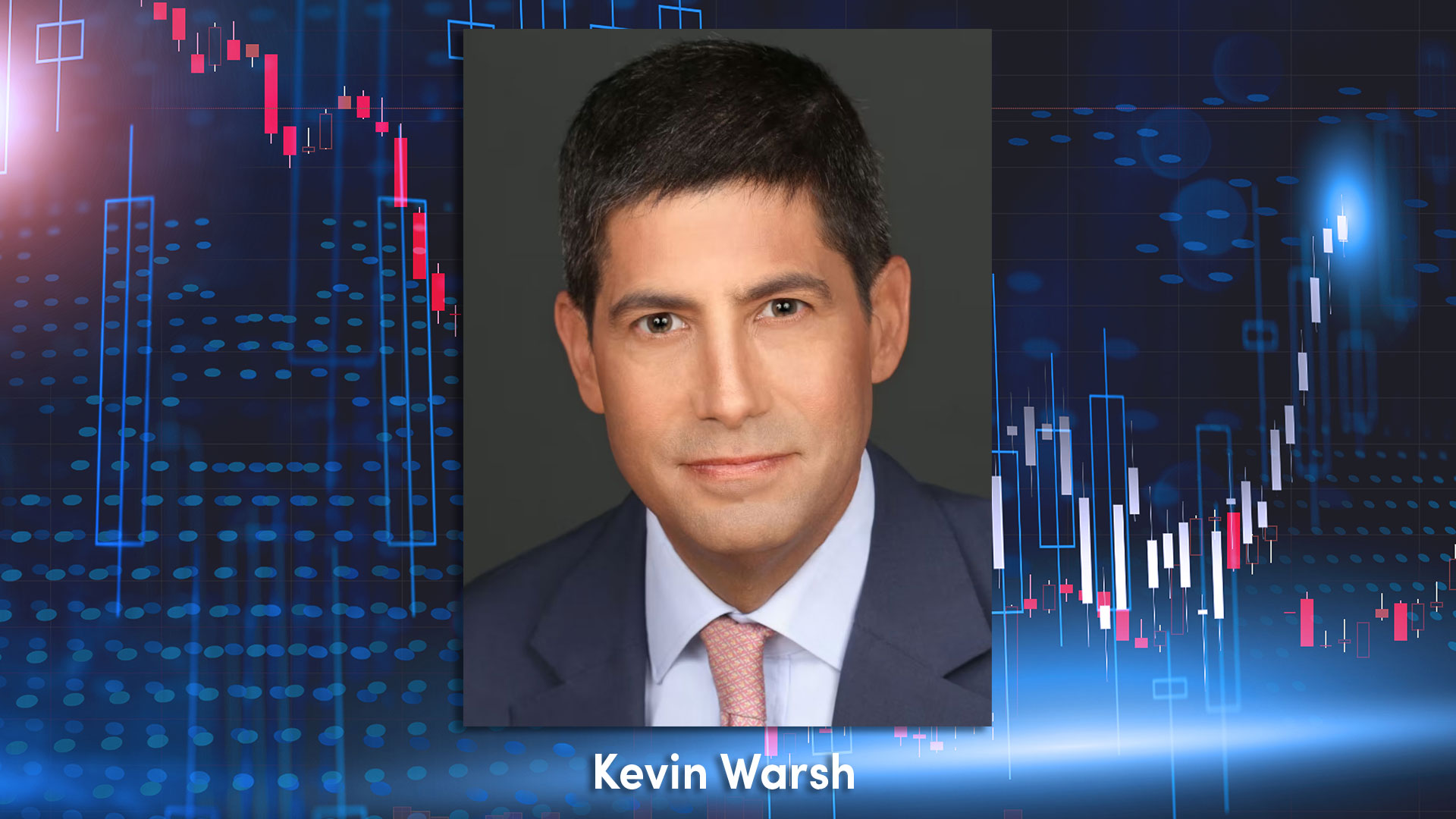
President Donald Trump’s nomination of Kevin Warsh to lead the Federal Reserve (Fed) could mark a turning point for U.S. monetary policy, even though the Fed chair holds just one vote on the central bank’s 12 member policymaking committee.
If confirmed by the Senate, Warsh would succeed Jerome Powell on May 15, assuming leadership at a moment when inflation risks, higher interest rates and rapid technological change continue to shape the economic outlook.
The influence of the Fed chair extends far beyond formal voting power. While interest rates and other policy decisions are made by majority vote of the Federal Open Market Committee, the chair sets the agenda, frames internal debate and communicates policy intentions to financial markets.
Those signals often move markets as much as, or more than, the decisions themselves.
Warsh is no stranger to the institution. He served on the Federal Reserve’s Board of Governors from 2006 to 2011, a period that included the global financial crisis, and later built a career in financial markets. Under his leadership, the Fed is unlikely to abandon its dual mandate of maximum employment and price stability, currently defined as a 2% inflation rate. The strategy used to reach those goals, however, could shift.
In recent years, the Fed has relied heavily on incoming economic data to guide interest rate decisions. That approach is widely viewed as cautious, but it is also backward looking. Economic data is released with delays, and monetary policy affects the economy only gradually. Critics argue this contributed to the Fed’s slow response to the post pandemic surge in inflation.
Warsh has argued for a more forward looking approach, one that anticipates economic trends before they appear in official statistics. Supporters say this could allow policymakers to act more decisively. Skeptics warn it raises the risk of policy mistakes if forecasts prove wrong. That tension is illustrated by Warsh’s suggestion that interest rates could be lowered in anticipation of slower inflation driven by productivity gains from artificial intelligence (AI). While AI may eventually ease price pressures, the investment required to build AI infrastructure could also fuel inflation, making early rate cuts risky.
Warsh has also expressed interest in shrinking the Fed’s balance sheet, which expanded sharply during the global financial crisis and the COVID-19 pandemic. Further reductions could push bond yields higher and unsettle markets if done too quickly.
HOW AMG CAN HELP
Not a client? Find out more about AMG’s Personal Financial Management (PFM) or to book a free consultation call 303-486-1475 or email us the best day and time to reach you.
This information is for general information use only. It is not tailored to any specific situation, is not intended to be investment, tax, financial, legal, or other advice and should not be relied on as such. AMG’s opinions are subject to change without notice, and this report may not be updated to reflect changes in opinion. Forecasts, estimates, and certain other information contained herein are based on proprietary research and should not be considered investment advice or a recommendation to buy, sell or hold any particular security, strategy, or investment product.
Get the latest in Research & Insights
Sign up to receive a weekly email summary of new articles posted to AMG Research & Insights.