




Notes on the Economy – Q2 2026 Summary
• 4 min read
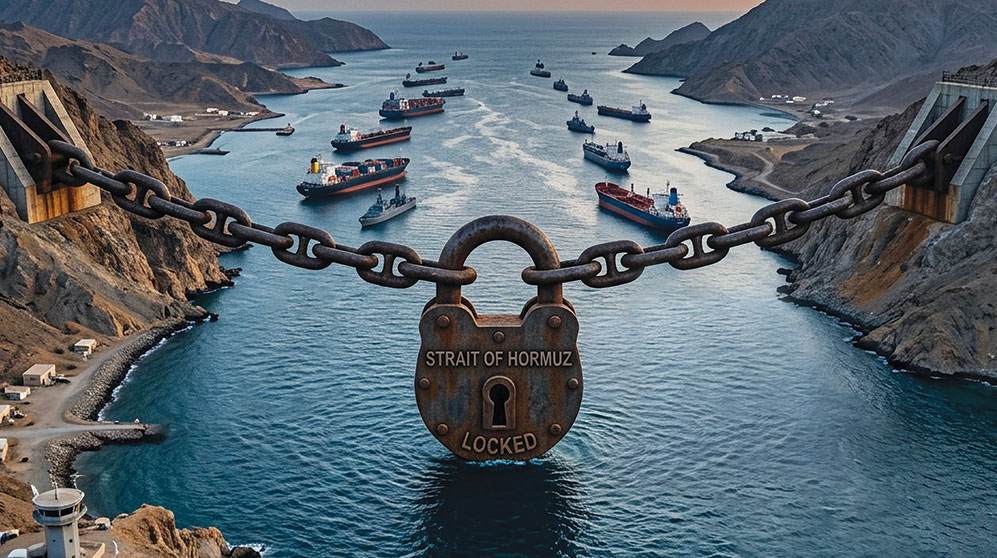
The fate of the global economy depends on reopening of the Strait of Hormuz.
Get the Latest Research & Insights
Sign up to receive an email summary of new articles posted to AMG Research & Insights.
DIRE STRAIT
The closure of the Strait of Hormuz (Strait) turned it into a “Dire Strait” for the global economy. The Strait, which channeled around 20% of global oil and liquefied natural gas (LNG) shipments has remained virtually shut since the military strikes on Iran started on February 28. As a result, oil prices have hovered around $100 per barrel, almost 50% higher than before the start of the conflict. Although both sides in the conflict have recently engaged in negotiations, the outcome remains uncertain. Meanwhile, global oil and fuel reserves are being exhausted, threatening global supply shortages if the Strait stays closed for longer than a few more weeks.
The United States economy has so far remained resilient. Real GDP increased at an annualized rate of 2.0% in the first quarter of 2026. Growth was driven by solid consumer spending, which advanced an annualized 1.6% in the first quarter, and by booming investment related to artificial intelligence (AI). Nonresidential investment increased at an annualized rate of 6.2%, driven by investment in equipment and intellectual property products. On the other hand, investment in both residential and nonresidential structures shrunk again in the first quarter. The AI boom also led to a sharp increase in imports, mostly of computer equipment and components. GDP growth might slow down a bit in the second quarter of the year as higher energy prices lower consumers’ real incomes.
Uncertainty encircles the entire global economy. In the baseline scenario of its World Economic Outlook, assuming only a short-lived disruption to global energy markets, the International Monetary Fund expects global GDP growth to slow down only slightly in 2026, to 3.1%. However, the forecast is subject to significant downside risks if the Iran conflict draws out for longer.
HEADLINES – WHAT’S IMPORTANT
- Inflation Is Rising – An increase in energy prices pushed annual inflation, measured by the Consumer Price Index, from 2.4% in February to 3.8% in April. Inflation will likely increase further as higher energy prices spill over to prices of food and other goods.
- The Federal Reserve (Fed) Will Likely Keep Rates on Hold for a While – Increased inflation and the concern about inflation spillovers mean that rates are likely to remain at their current target range of 3.50-3.75% through the end of the year.
- Equities Are on Shaky Ground – A successful reopening of the Strait is likely a key factor in maintaining earnings growth. The technical underpinnings of the stock market are stretched, increasing the risk of a market correction.
- Rising Bond Yields Pose a Challenge to Fixed Income Securities – Slowing economic growth and rising inflation create a difficult environment. Treasury bonds and Treasury Inflation Protected Securities can serve as a safe-haven and provide a hedge against adverse developments.
LOOKING AHEAD
Prospects for the economy are tied to the reopening of the Strait. High oil prices have already pushed up inflation and lowered consumers’ real disposable income which will cap growth in consumer spending through the rest of 2026. Even if the Strait reopens within the next several weeks, real GDP growth is likely to remain slightly below potential for most of the year despite the strength in AI-related business investment. Sustained energy supply disruptions would further slow down growth, potentially posing a recession risk.
Economic policy has limited space to mitigate the turmoil. Elevated inflation implies that the prospects of rate cuts are moving further into 2027. At the same time, the mildly restrictive policy stance suggests that rate hikes are probably not necessary. Fiscal policy remains supportive due to the One Big Beautiful Bill Act, but further fiscal support seems unlikely given the pressure on bond yields and high probability of political gridlock ahead of the midterm elections in November.
High energy prices also lower growth and push up inflation in the wider global economy. To avoid sustained increases in inflation, central banks in many developed economies including the Euro Area, Japan, and the United Kingdom are likely to increase policy rates in the near future. Since most of these economies are more reliant on energy imports than the United States, a sustained increase in energy prices poses a significant threat to economic growth in the coming quarters.
*The information contained within this edition of the Notes on the Economy Executive Summary is based on data released as of May 15, 2026.
To receive a full copy of the Executive Summary or the entire 24-page “Notes on the Economy” report, contact your AMG advisor or submit a request for more information.
This information is for general information use only. It is not tailored to any specific situation, is not intended to be investment, tax, financial, legal, or other advice and should not be relied on as such. AMG’s opinions are subject to change without notice, and this report may not be updated to reflect changes in opinion. Forecasts, estimates, and certain other information contained herein are based on proprietary research and should not be considered investment advice or a recommendation to buy, sell or hold any particular security, strategy, or investment product.
Get the latest in Research & Insights
Sign up to receive a weekly email summary of new articles posted to AMG Research & Insights.