




• 2 min read
Sign up to receive an email summary of new articles posted to AMG Research & Insights.
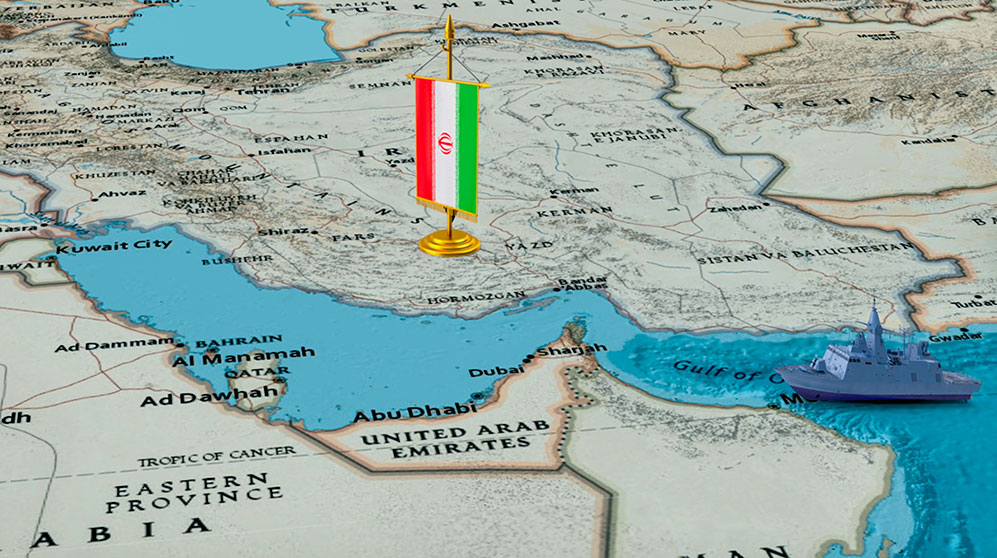
The global energy outlook, and gas prices in particular, largely depends on one factor—reopening the Strait of Hormuz.
A fifth of the world’s oil and liquified natural gas passes through the strait, which has been largely closed since the Iran war began on Feb. 28.
West Texas Intermediate (WTI) crude, which opened the year around $57 a barrel, spiked to an early-April peak of $113, and now is trading around $90. At the pump, the pain is acute. The U.S. Energy Information Administration forecasts retail gasoline prices peaking near $4.30 per gallon in April, while diesel, the lifeblood of freight and logistics, is expected to peak above $5.80 per gallon.
The agency’s assessment assumes the conflict does not persist past April and that traffic through the strait gradually resumes, with production shut-ins (currently estimated at 9.1 million barrels per day) from Iraq, Saudi Arabia, Kuwait, the United Arab Emirates, Qatar, and Bahrain falling back toward pre-conflict levels by late 2026. Under that scenario, WTI is expected to average around $83 a barrel for the fourth quarter and about $73 in 2027.
But forecasters are quick to note the uncertainty. Attacks on energy infrastructure across the Persian Gulf region, including damage to Qatar’s Ras Laffan liquified-natural-gas facility that could take up to five years to fully repair, have raised risk premiums that could persist well beyond any near-term ceasefire.
For the global economy, the outlook is slightly slower growth. One International Monetary Fund scenario assumes a short-lived conflict and a 19% rise in energy prices leading to global growth falling to 3.1% this year, with headline inflation rising to 4.4%.
Surging energy prices are delivering a classic supply shock—driving up costs, snarling supply chains, and squeezing household buying power. But the fallout is uneven. Low-income countries that import energy are likely to feel the sharpest pain, especially those already weighed down by debt and thin fiscal cushions. In Europe, pricier energy is also complicating the annual race to refill natural-gas storage before next winter.
Not a client? Find out more about AMG’s Personal Financial Management (PFM) or to book a free consultation call 303-486-1475 or email us the best day and time to reach you.
This information is for general information use only. It is not tailored to any specific situation, is not intended to be investment, tax, financial, legal, or other advice and should not be relied on as such. AMG’s opinions are subject to change without notice, and this report may not be updated to reflect changes in opinion. Forecasts, estimates, and certain other information contained herein are based on proprietary research and should not be considered investment advice or a recommendation to buy, sell or hold any particular security, strategy, or investment product.
Sign up to receive a weekly email summary of new articles posted to AMG Research & Insights.